Repair of a vintage motorcycle seat
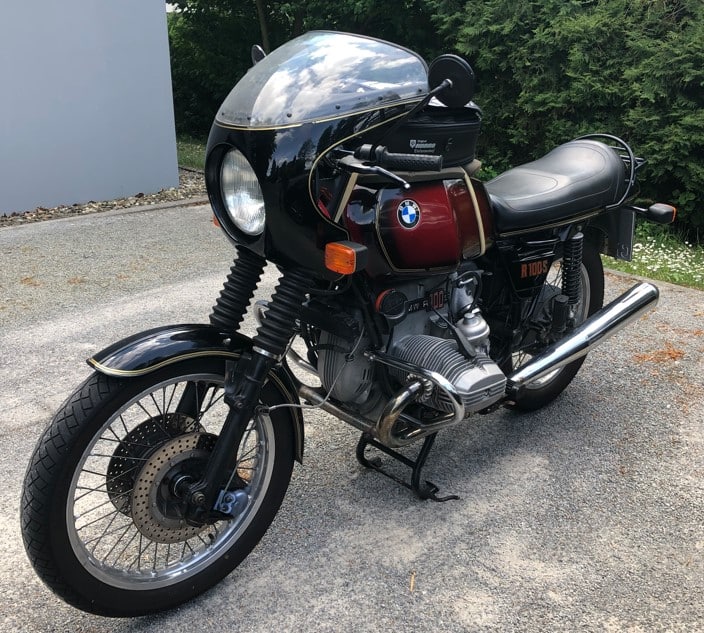
(BMW R 100 S)
Hinges on motorcycle seat benches are subject to high mechanical stress – and if they break, replacement parts are often difficult or impossible to obtain, especially on older machines. In this tutorial, we show how a broken seat bench hinge can be welded precisely and without distortion using the Micro Arc Welder – without heat distortion on the surrounding sheet metal and without time-consuming disassembly. A quick, clean solution that is particularly suitable for restoring vintage motorcycles.
The initial situation
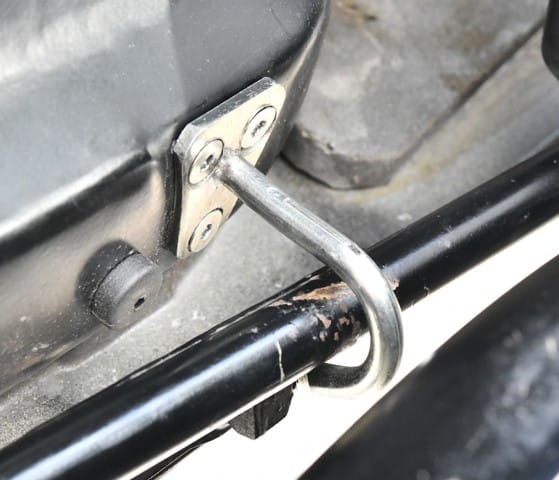
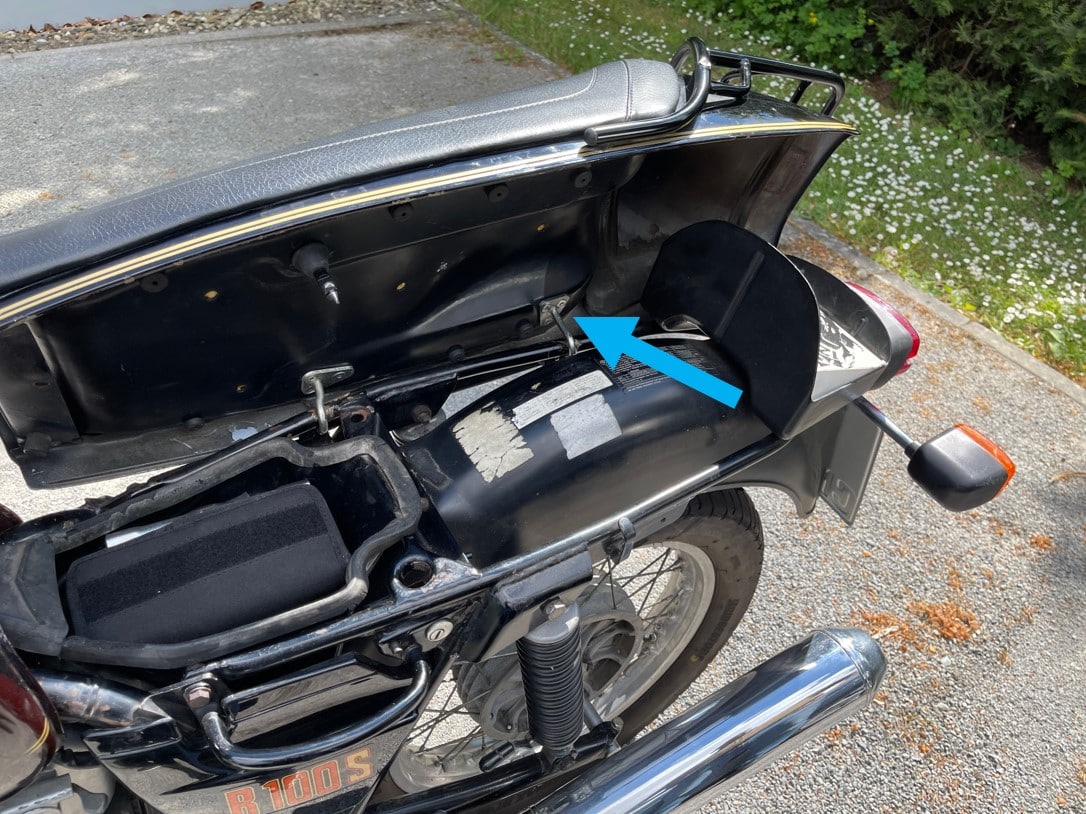
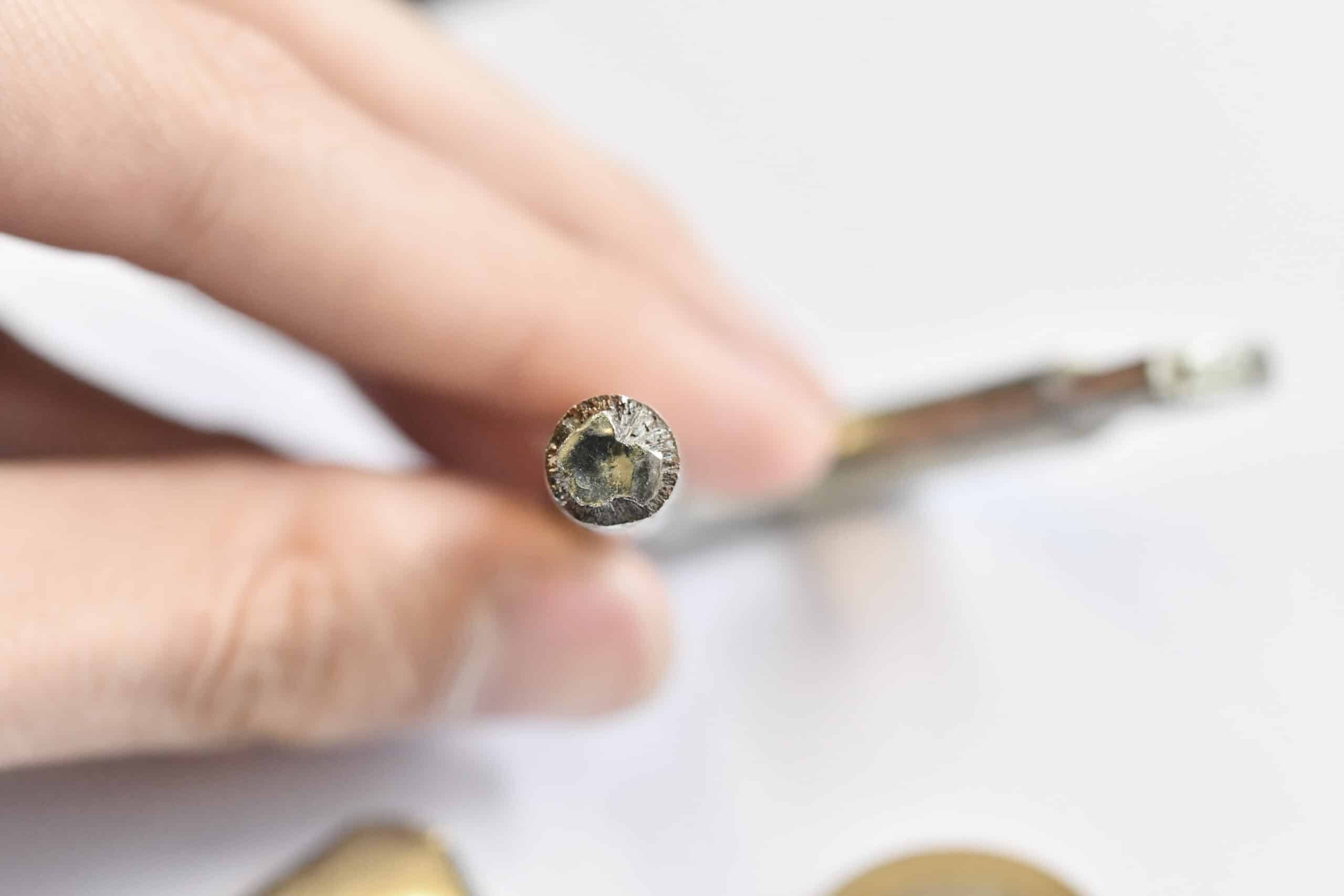
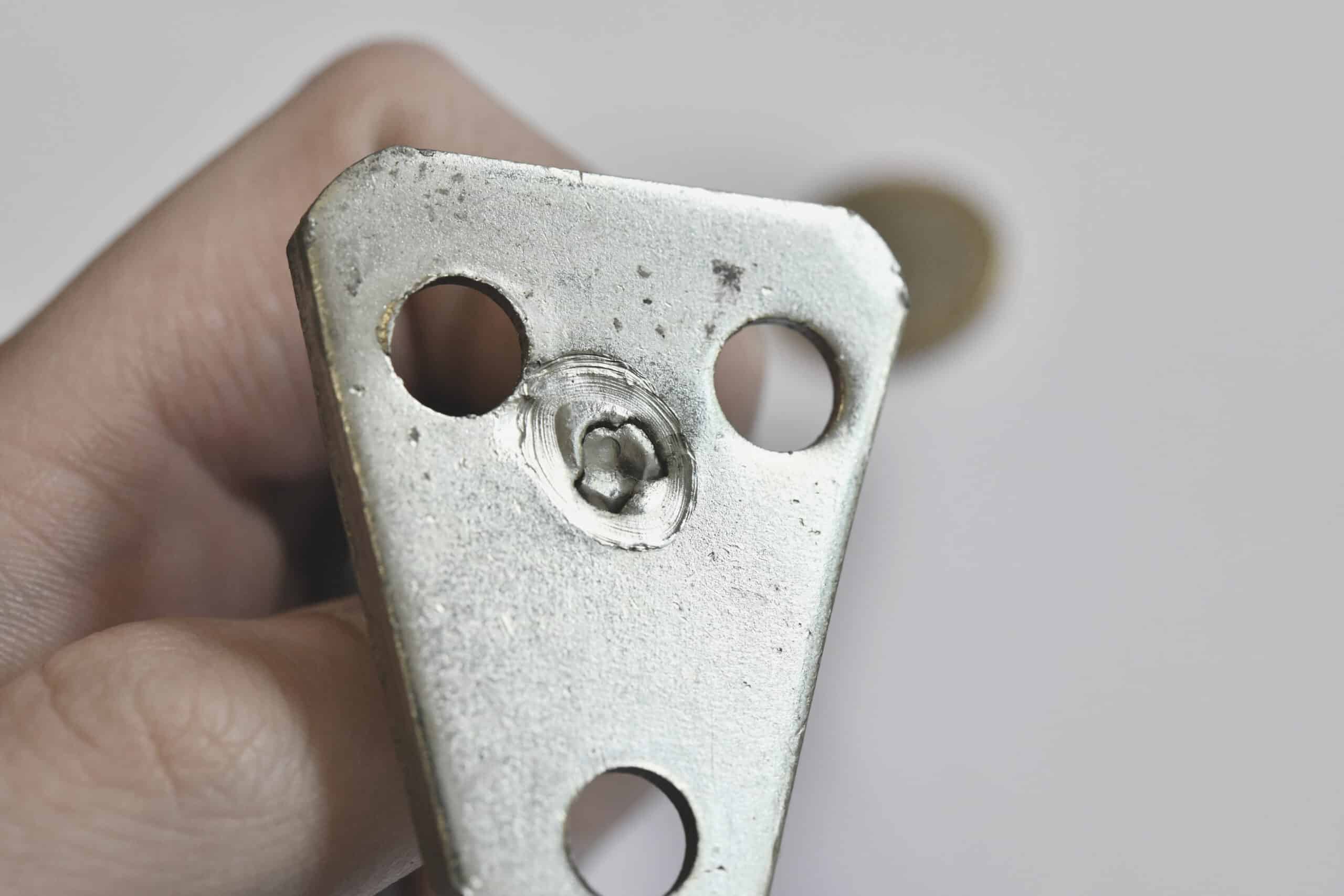
Dieses Anwendungsbeispiel zeigt einen Ermüdungsbruch an einem Scharnier der Sitzbank
einer alten BMW R 100 S.
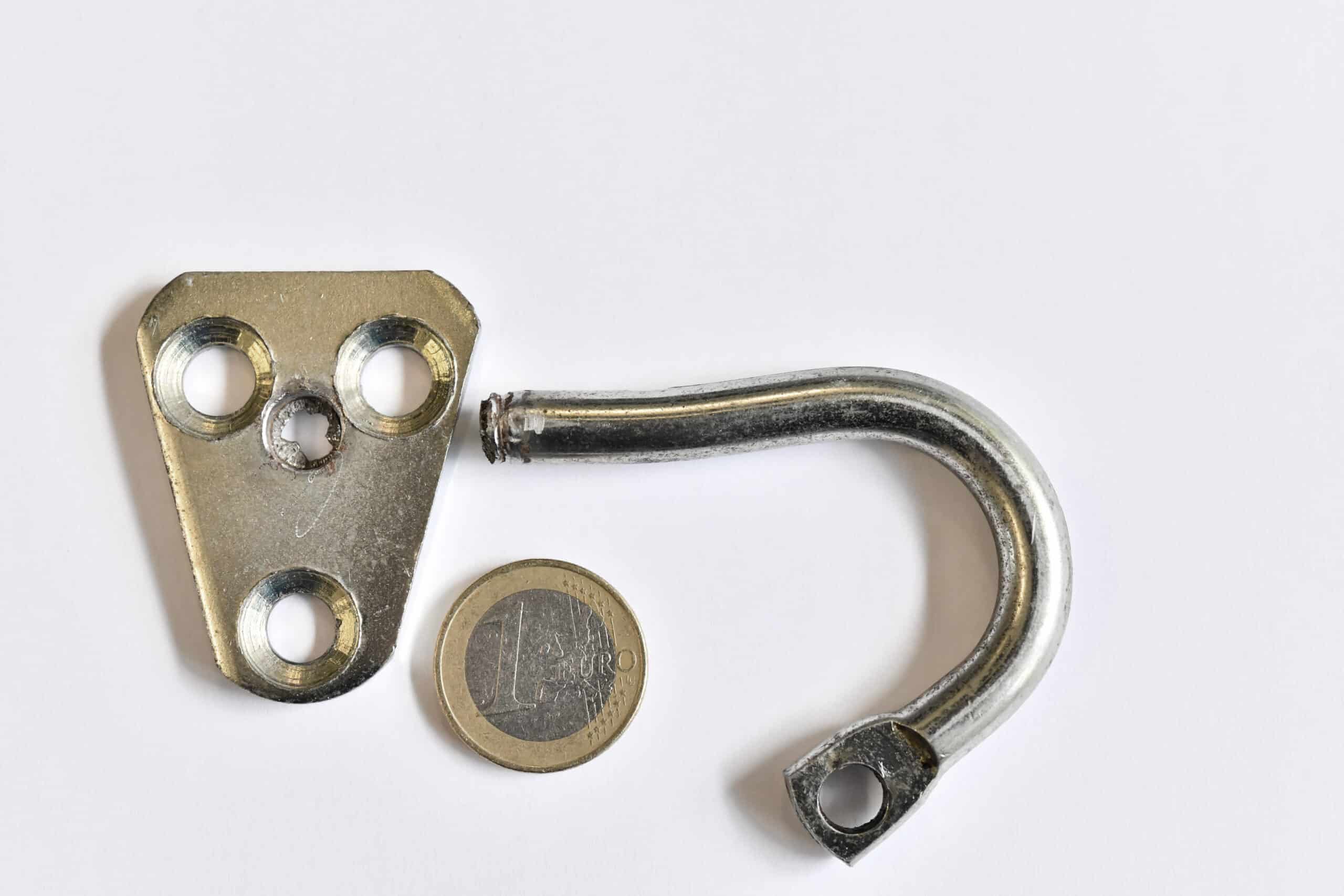
Spare parts for such old vehicles (in this case 47 years old) are hard to come by and repairs are often the last chance to keep the assemblies ready for use. In this case, welding makes it possible to continue using the old seat bench.
The preparation
First of all, the parts are thoroughly cleaned and the break points are deburred where necessary. In manchen Fällen muss etwas nachgeschliffen werden, um die Teile korrekt positionieren zu können.
In addition, careful cleaning and degreasing of the welding areas are essential work steps before starting any welding task, e.g. with acetone, brake cleaner or in an ultrasonic device.
The implementation
Our Micro Arc Welder is used here, as the broken component is relatively massive and the highest possible stability needs to be achieved – the Micro Arc Welder is Lampert ‘s most powerful micropulse welding machine and is best suited to this task.
First, the fractures on the top side are welded in the areas with good contact to each other, and then any remaining defects and indentations are filled with welding wire.
Starting with the standard welding geometry, a dedicated welding curve offers good performance for a homogeneous welded joint when welding wire is applied.
As the exact material designation cannot be determined in this case and a steel alloy can be assumed, our easy-flowing CMS welding wire (Ø 0.4 mm,
art. no. 304 320) is used for this task and applied using the WIRE PEN welding wire feeder.
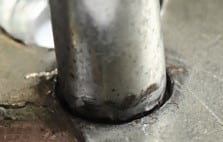
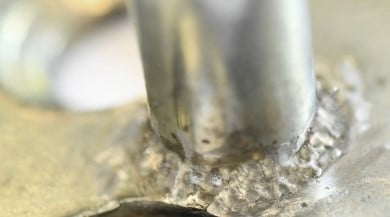
On the lower side, a relatively large gap can be seen in the area of the intended fillet weld. This must be filled with the same welding wire to achieve the necessary stability. Start with the pre-set welding curve for joint and angle situations. When applying welding wire, you can then switch to the specially designed welding curve with the recommended parameters for power and pulse duration.
The larger the gap between two components, the more complex the welding generally becomes and the more time it takes.
The post-processing
Die Bearbeitung der Schweißnähte wird hier auf das Nötigste beschränkt und nimmt nicht viel Zeit in Anspruch.
An der Kehlnaht muss die Schweißung nicht ausgearbeitet werden, um die kaum sichtbare Verbindung nicht unnötig zu schwächen.
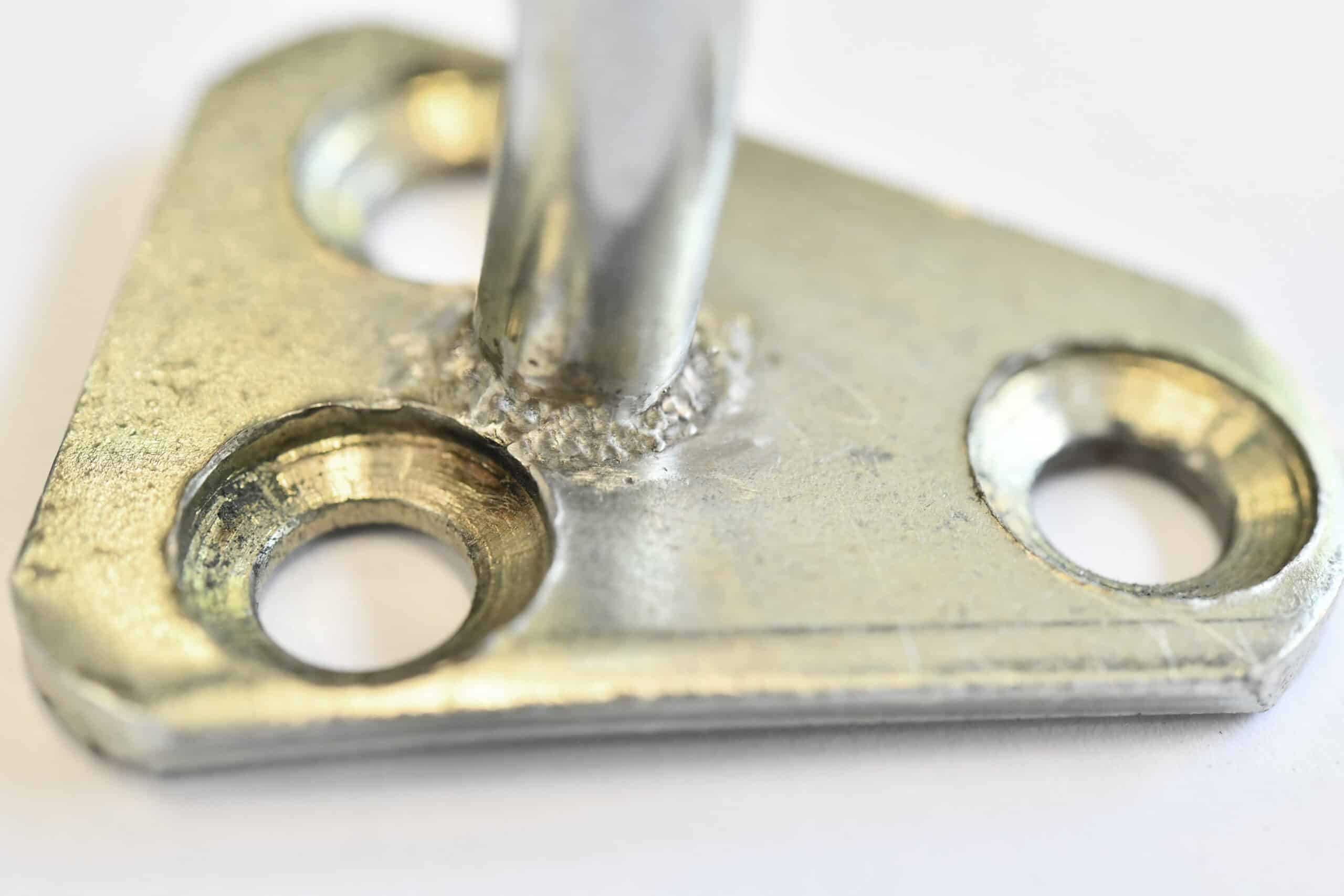
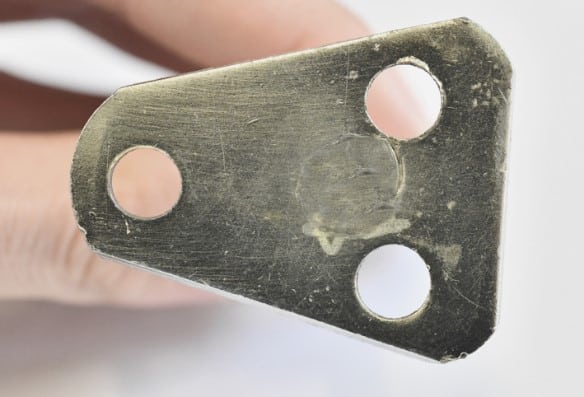
The back of the hinge is ground flat as little as necessary and lightly rubberized to achieve good contact with the base plate of the seat bench.
The result
The seat is now back in its correct position and has the desired functionality. The old hinge can still be used after welding and the bench seat is once again stable.